
The Importance of Colostrum (First Milk) in Calf Development
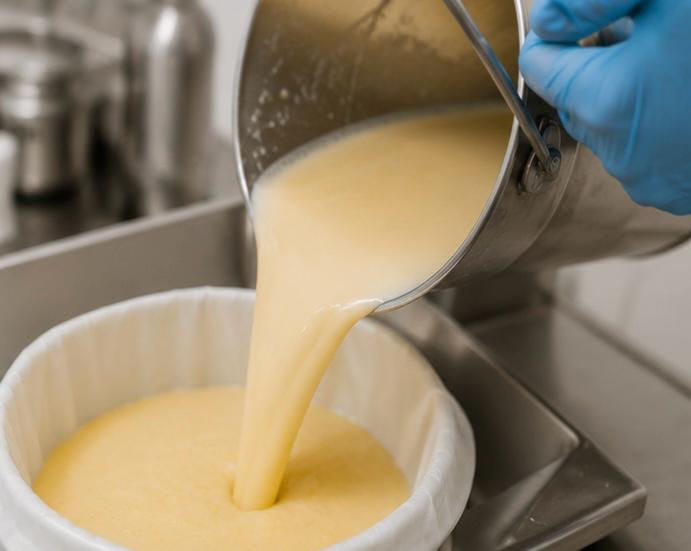
Colostrum, or "first milk," is the initial secretion produced by the cow after calving. Although it is produced only during the first few days after birth, its importance to the calf is immense. In fact, the quality and quantity of colostrum the calf receives during the first hours of life can influence its health, growth rate, and even its future performance as an adult.

What makes colostrum unique?
Unlike regular milk, colostrum is exceptionally rich in:
* Antibodies (immunoglobulins)
* Proteins
* Vitamins A, D, and E
* Essential minerals
* Growth factors that promote tissue and organ development
The antibody content in colostrum is dozens of times higher than that of regular milk.
Why does the calf need colostrum?
The calf is born with almost no immune protection. Unlike in humans, maternal antibodies do not cross the placenta to the fetus in sufficient quantities during pregnancy.
Consequently, the calf's immune system is unable to cope on its own with the bacteria, viruses, and parasites present in its environment.
Colostrum provides the calf with immediate "passive immunity" by transferring antibodies from the mother to the calf.
The critical window of opportunity
The calf's intestinal ability to absorb antibodies is only temporary:
* Absorption is optimal during the first 6 hours after birth.
* Absorption efficiency drops significantly after 12 hours.
* After 24 hours, the intestine is virtually unable to absorb antibodies.
Therefore, it is important to administer high-quality colostrum as soon as possible after calving.

How much colostrum should be given?
Standard recommendations are:
* First dose: Approximately 4 liters within two hours of birth.
* Additional dose: 2–4 liters over the next 12 hours.
The exact amount depends on the calf's weight and the quality of the colostrum.
Effects of colostrum deficiency
Calves that do not receive high-quality colostrum in a timely manner are at higher risk for:
* Diarrhea
* Pneumonia
* Slower growth rates
* Increased antibiotic use
* Higher mortality
* Reduced future performance
Studies have shown that calves receiving high-quality colostrum produce more milk later in life when they join the milking herd.
Colostrum Quality
Not all colostrum is of equal quality. Quality is influenced by:
* The cow's age
* Health status
* Nutrition during the dry period
* Timing of milking after calving
Many dairy farms currently use a colostrum meter (Brix refractometer) to assess antibody concentration and ensure high quality.
Proper Colostrum Management
To maintain quality, it is recommended to:
1. Milk the cow as soon as possible after calving.
2. Measure the quality of the colostrum.
3. Store it under refrigeration or in a freezer.
4. Ensure cleanliness during collection and feeding.
5. Record the quantities and times each calf received colostrum.
Summary
Colostrum is a critical factor in successful calf rearing. Providing high-quality colostrum in sufficient quantities and at the right time grants the calf vital immune protection, reduces morbidity and mortality, and improves the animal's future performance. Investing in proper colostrum management is one of the most cost-effective investments for any modern cattle farm.

Interesting Fact
Studies indicate that calves receiving high-quality colostrum—rich in antibodies and administered at the optimal time—may achieve significantly higher future milk yields (by tens or even hundreds of kilograms) during their first lactation compared to calves that experienced a failure of passive immunity transfer.
*It is always advisable to consult a qualified veterinarian.


