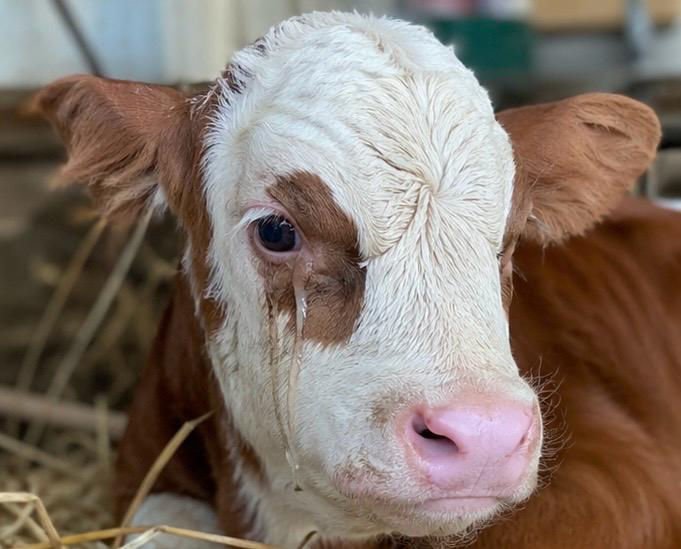
Neurological disorders in sheep and goats
- Nov 14, 2025
- 2 min read
Neurological disorders in sheep and goats (neurological = of the nervous system) are a broad group of diseases and injuries that affect the brain, spinal cord, peripheral nerves or muscles. They can cause changes in behavior, gait, balance and response to stimuli.
Here is an overview of the main disorders:

1. Listeriosis
Cause: Listeria monocytogenes.
Main cause: Consumption of spoiled feed (usually too acidic silage).
Clinical signs: Turning the head to one side, walking in a circle, imbalance, paralysis of one side of the face, drooling.
Treatment: Antibiotics (such as penicillin), fluids, and general support.
2. Scrapie
Cause: Prion (a non-living infectious agent, similar to that which causes “mad cow disease”).
Course: Chronic degenerative disease of the nervous system.
Signs: Intense itching, lack of coordination, tremors, weight loss.
No treatment – incurable disease and considered a significant animal welfare problem.
3. Tetanus
Cause: Clostridium tetani – a bacterium that enters through a wound.
Signs: Muscle spasms, stiffness, difficulty opening the mouth (“tetanic smile”), sensitivity to stimulation.
Treatment: Antitoxin, antibiotics, muscle relaxants, support.
Prevention: Regular vaccination.
4. Polioencephalomalacia (PEM)
Cause: Vitamin B1 (thiamine) deficiency or excess sulfur in food/water.
Signs: Sudden blindness, convulsions, head tilting (stargazing), recumbency, and immobility.
Treatment: Early thiamine injection can save the animal.

5. Rabies
Cause: Rabies virus.
Contagion: Through the bite of an infected animal.
Signs: Behavioral changes (aggression or extreme quietness), drooling, paralysis, death within days.
Prevention: Vaccination only. No treatment after an outbreak.
6. Spinal cord or peripheral nerve damage
Causes: Trauma, birth injuries, pressure from vertebrae, local infection.
Signs: Limping, dragging legs, posterior paralysis, difficulty standing.
Treatment: Depends on the cause – sometimes support and rehabilitation, sometimes no chance of full recovery.
7. Toxicity (e.g. lead, poisonous plants)
Signs: Convulsions, foaming at the mouth, incoordination, temporary blindness.
Treatment: Removal of the toxic source, supportive care and sometimes an antidote.
List of preventive measures only for major neurological diseases in sheep and goats:
Listeriosis Prevention
Avoid feeding spoiled or overly acidic silage.
Store dry and clean fodder.
Maintain hygienic conditions in the mangers.
Scrapie Prevention
Use of herds from genetically clean sources.
Avoiding the introduction of animals from unknown sources.
Hereditary monitoring and participation in scrapie eradication programs.
Tetanus Prevention
Routine vaccination of the herd (especially around calving and shearing).
Immediate treatment and thorough cleaning of wounds.
Use only sterile needles and tools.
Prevention of encephalomalacia (PEM)
Balanced diet with vitamin B1 (thiamine) supplementation in cases of rapid dietary change.
Avoid excess sulfur in water or feed.
Gradual change of feed types.
Rabies Prevention
Routinely vaccinate the herd against rabies.
Prevent contact with wild animals.
Immediately report any bite or suspected exposure.

Preventing nerve/spinal injuries
Care in handling animals (especially during litters).
Preventing overcrowding and crowding in the pen.
Maintaining non-slip surfaces.
Prevention of neurotoxicity
Removal of toxic sources (lead, poisonous plants, pesticides).
Periodic testing of water and food.
Proper storage of chemicals out of reach of animals.
*It is always advisable to consult a qualified veterinarian.