
Dealing with BVD disease in cattle herds – prevention, testing, and elimination of carriers.
- Mar 16
- 2 min read
Dealing with BVD in Cattle Herds – Prevention, Testing and Carrier Elimination

Background on the Disease
BVD is a viral disease caused by Bovine viral diarrhea virus (BVDV). The virus attacks the immune system of cattle and causes a wide range of symptoms – from mild diarrhea to severe damage to the respiratory system and fertility.
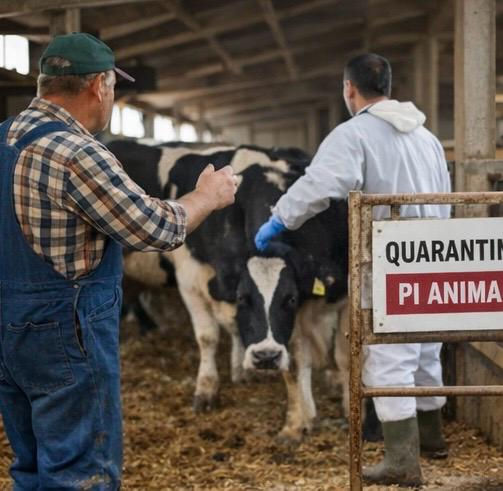
One of the main problems with the disease is the creation of persistently infected (PI) animals, which constitute a major source of infection in the herd.

Routes of infection in the herd
The virus is transmitted between cows and calves in several main ways:
• Direct contact between infected and healthy animals
• Body secretions (saliva, nasal secretions, feces and urine)
• Transfer through the placenta to the fetus during pregnancy
• Equipment or workers who move between groups of animals
When a cow is infected in the first trimester of pregnancy, the fetus may become a permanent carrier of the virus.
Carrier animals (PI) – the main problem
Calves infected in utero early in pregnancy may be born permanent carriers of the virus.
Main characteristics of PI carriers:
• Excrete the virus throughout their lives
• Infect other cows and calves in the herd
• Sometimes grow more slowly or get sick more often
• May develop a severe form of the disease called Mucosal disease
Because they are a major source of infection, their detection and elimination is a critical step in controlling the disease.
Diagnostic and testing methods

There are several accepted methods for detecting the disease and carriers in the herd:
1. PCR tests
A very sensitive test for detecting the virus in blood or tissues.
2. Ear notch antigen tests
A common test in young calves to identify carriers.
3. Serological tests (antibodies)
Allows us to understand whether the herd has been exposed to the virus in the past.
Effective Prevention Program
Proper herd management can greatly reduce the risk of disease outbreaks.
Important prevention measures:
Testing every new calf in the herd
Isolation of animals purchased from other farms
A well-organized vaccination program
Regular monitoring of fertility and abortions
Periodic tests to identify carriers
Vaccines against Bovine viral diarrhea virus are also available, which help reduce infection and damage to fetuses.
Carrier Elimination – A Critical Step in Disease Control
When a carrier animal is discovered:
1. Confirm the result with a repeat test
2. Isolate it from the rest of the herd
3. Remove it from the herd as soon as possible
Only after all carriers have been eliminated can a herd be free of the disease.
Economic Impact on the Economy
BVD disease causes significant losses:
• Decrease in milk yield
• Damage to fertility
• Abortions
• Calf mortality
• Veterinary care costs
Therefore, disease control and eradication programs have become standard practice in many countries around the world.
Summary
Bovine Viral Diarrhea is a major threat to the health of cattle herds. Early detection of carriers, regular testing, and a prevention program that includes vaccinations and proper herd management are key to minimizing damage and maintaining a healthy and productive herd.
*It is always advisable to consult a qualified veterinarian.


