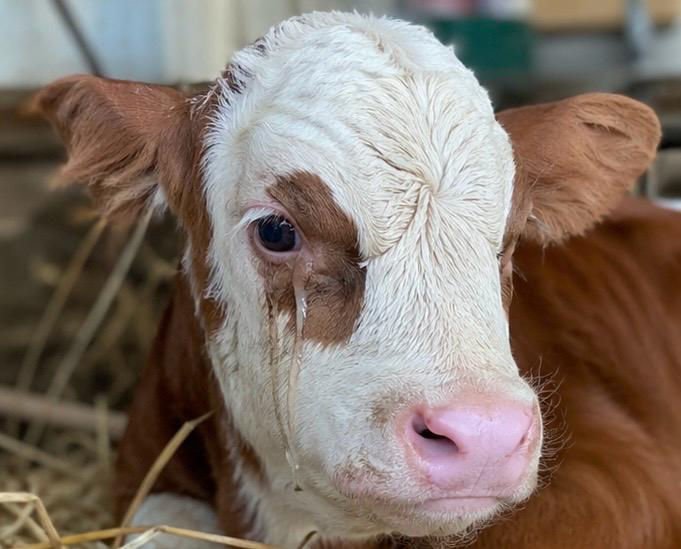
Nervous system disorders in young sheep and goats
- Nov 16, 2025
- 2 min read
1. Clostridial encephalitis (Clostridium perfringens Type D)
What is it: A toxin that damages the brain, most common in lambs and kids with a sharp increase in food intake.
Symptoms:
Unsteady gait
Tremors
Twitches
Seizures
Rapid death
Prevention:
Clostridia vaccine (Abisol/Clostridium 7–8 WAY)
Gradual transition to a rich food

2. Listeriosis (Listeria monocytogenes) – inflammation of the brain and brainstem
More common in adults but also occurs in young people.
Typical symptoms:
Head tilt
Loss of balance
Circling
Partial facial paralysis
Prevention:
Avoid feeding sour hay/spoiled silage
Food and water hygiene
3. CAE – Caprine Arthritis Encephalitis (in young goats)
Only in goats, usually at 2–6 months of age.
What it is: A virus that causes encephalitis and paralysis of the hind limbs.
Symptoms:
Weakness and hindlimb paralysis
Difficulty standing
Tremors
Prevention:
Feeding kids with pasteurized colostrum
Manage a virus-free herd
4. Scrapie – Prion disease (rarely seen in young animals)
Very rare in young animals, but possible if there are genetic risk factors.
Symptoms:
Severe itching
Behavioral changes
Nervous weakness
Prevention:
Selecting herds with genetic resistance (RR/QR)

5. Meningitis / Septicemia – inflammation of the meninges due to a general infection
Common in suckling calves/kids with a weak immune system.
Causes: Umbilical infection, poor hygiene, lack of colostrum.
Symptoms:
High fever
Stiff neck
Seizures
Unresponsiveness
Prevention:
Environmental cleanliness
Umbilical disinfection
Sufficient quality colostrum
6. PEM – Polioencephalomalacia (polioparesis/thiamine deficiency)
Common in young people due to dietary changes.
What it is: Brain damage due to vitamin B1 deficiency or excessive production of sulfur in the stomach.
Symptoms:
Sudden blindness
Unsteady gait
Spasms
Head tilted back (stargazing)
Prevention:
Avoidance of sulfur-rich foods
Gradual transition to concentrated foods
7. Parasites that affect the nervous system – Parelaphostrongylus tenuis
Rare in Israel but exists worldwide.
Symptoms:
Asymmetrical nerve weakness
Abnormalities in walking
Partial paralysis
Prevention:
Prevent contact with deer/wild animals that carry the disease

8. Traumatic injuries and mineral deficiency (copper) with neurological signs
Copper deficiency in young people can mimic neurological problems.
Symptoms:
Weakness
Standing problems
Tremor
Prevention:
Copper supplements according to risk (excessive caution!)
When do you need a vet immediately?
• Seizures
• Sudden blindness
• Inability to stand
• Recurrent convulsions
• High fever + neurological signs
• Sudden loss of consciousness
*It is always advisable to consult a qualified veterinarian.