
Types of parasites in cows and calves and treatment methods
- May 26
- 2 min read

Cows and calves have several main types of parasites, and they are divided into internal parasites (in the intestines, lungs, liver) and external parasites (on the skin).

1. Internal parasites (worms and protozoa)
Intestinal worms (nematodes)
Very common in young calves, causing:
* Diarrhea
* Weight loss
* Loss of appetite
* Rough coat/hair
* Anemia and weakness
Examples:
Haemonchus contortus
Ostertagia ostertagi
Cooperia
Treatment:
* Deworming with medications such as ivermectin, doramectin, albendazole (as recommended by a veterinarian)
* Pasture rotation and pasture load management
* Periodic fecal testing
Lungworms
Cause:
* Coughing
* Heavy breathing
* Reduced growth
* Sometimes pneumonia
Example:
* Dictyocaulus viviparus
Treatment:
* Appropriate deworming
* Isolation and prompt treatment in severe cases
Liver fluke (Fasciola)
Damages the liver and causes:
* Severe weight loss
* Edema
* Weakness
* Decreased milk yield
Example:
* Fasciola hepatica
Treatment:
* Specific medications (not all regular deworming works)
* Treatment of water sources and snails in an infected area
Coccidia (single-celled parasite)
Very common in calves.
Example:
* Eimeria
Signs:
* Diarrhea (sometimes bloody)
* Weakness
* Dehydration
* Growth retardation
Treatment:
* Anticoccidial drugs
* Cleanliness and dryness in the barn
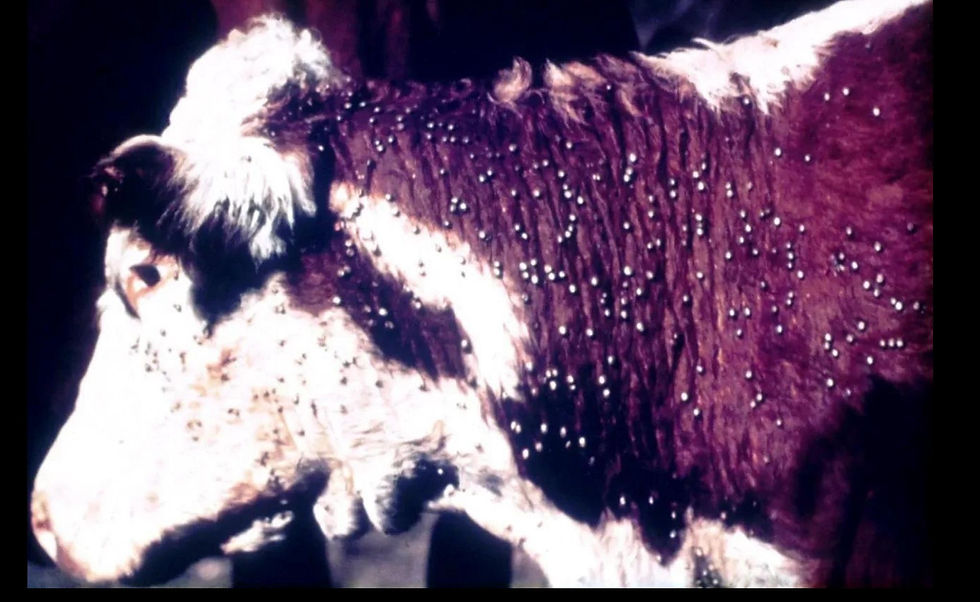
2. External Parasites
Ticks
Example:
* Tick
Causes:
* Anemia
* Itching
* Transmission of bloodborne diseases
Treatment:
* Pesticide baths / pour-on
* Spraying
* Environmental treatment
Lice
Example:
* Louse
Symptoms:
* Itching
* Hair loss
* Decreased body condition
Treatment:
* External preparations
* Treatment for the entire herd and not just one animal
Scabies / mites
Example:
* Mite
Causes:
* Thickened skin
* Severe itching
* Baldness
Treatment:
* Specific veterinary treatment
* Isolation if necessary
How do you prevent parasites?
* Deworming according to a fixed schedule (not just “on the blind”)
* Fecal tests
* Dry cleaning in the wagon
* Prevention of crowding
* Grazing rotation
* Flies and ticks
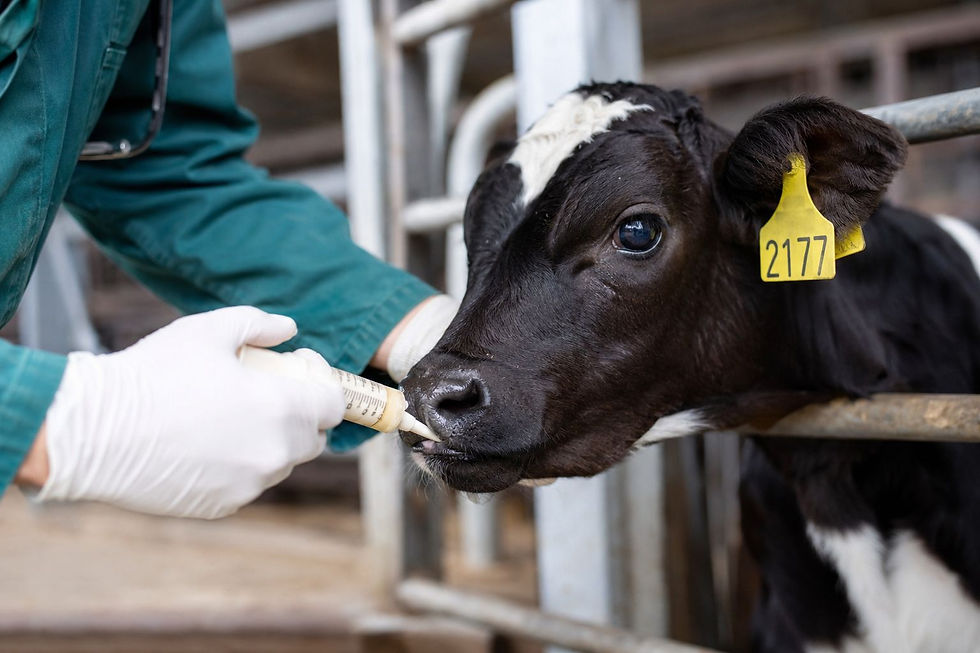
In young calves, the most common are usually coccidia and intestinal worms, while in mature cows, liverworms, intestinal worms and ticks are more common problems
*It is always advisable to consult a qualified veterinarian.


