
Toxin problems in dairy farms and treatment methods
- Mar 26
- 2 min read
Toxin problems in dairy farms are a major issue in cattle herd health, primarily because of their direct impact on fertility, milk production, immunity, and mortality. The most common toxins are mycotoxins – toxins produced by fungi that grow in feed.
Main types of toxins in dairy farms
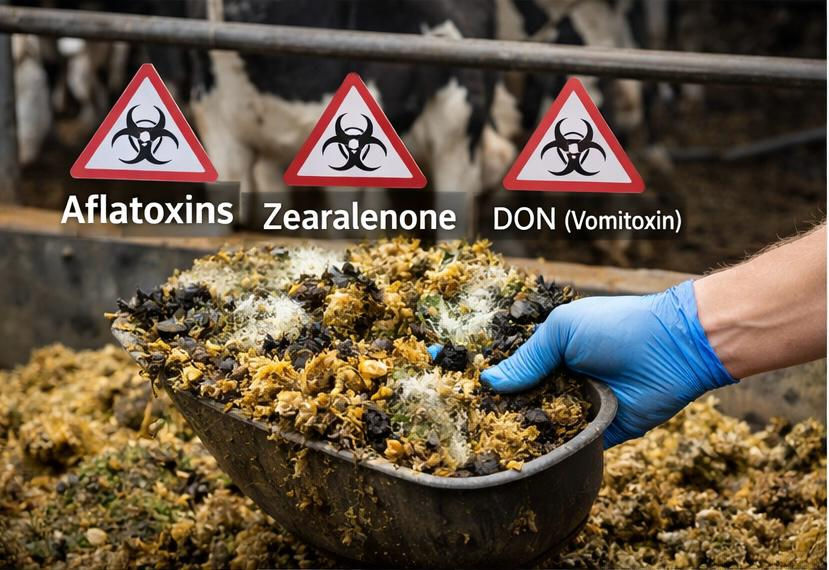
The mos
t common toxins that are important to know:
• Aflatoxins
Are mainly formed in corn and high humidity. Very dangerous – also pass into milk (Aflatoxin M1).
• Zearalenone
Harms the reproductive system → estrus problems, abortions, decreased fertility.
• DON (Deoxynivalenol / Vomitoxin)
Causes a decrease in appetite and food consumption.
• Ochratoxin
Harms the kidneys and the immune system.
• T-2 toxin
Causes damage to the mucous membranes of the mouth and intestines.
Signs of a problem in the dairy farm
Toxins do not always cause “obvious” illness, but rather general damage:

• Decrease in milk production
• Decrease in feed intake
• Diarrhea / digestive problems
• Impaired fertility (abortion, lack of heat)
• Weak immune system → more diseases
• Liver damage
Sources of the problem
• Poor quality silage
• Corn or grains with mold
• Storage in humid and hot conditions
• Incorrect feed mixing
• Lack of ventilation in silage pits
Treatment and coping methods
1. Prevention (most important)
• Using only high-quality raw materials
• Dry and ventilated storage
• Good sealing of silage to prevent oxygen
• Proper covering of silage pits
• Periodic laboratory tests for food
2. Use of Toxin Binders

Additives that are added to the diet:
• Adsorb toxins in the digestive system
• Reduce absorption into the blood
• Very common in modern dairy farms
Types:
• Clay (bentonite)
• Yeast and yeast walls
• Advanced organic materials
3. Improve liver health

Toxins mainly damage the liver:
• Vitamin supplements (A, E)
• Choline and methionine
• Antioxidant supplements
4. Treating contaminated food
• Diluting the food with clean food
• In severe cases – completely removing from use
• Avoid feeding to dairy cattle if there is aflatoxin
5. Proper Silage Management

• Orderly Daily Opening
• Preventing Overheating
• Cleaning Broken Parts
Important Point for Professionals
Even low levels of several toxins together (co-contamination) can cause significant damage – even if each of them individually is “in compliance.”
Tip from the field
If you see a sharp drop in production for no apparent reason – it’s often foodborne toxins before a disease is even identified.
*It is always advisable to consult a qualified veterinarian.


