
Diseases that affect newly hatched chicks
- Feb 9
- 1 min read
Newly hatched chicks are particularly susceptible, and there are some common diseases and problems that are worth recognizing early:
Common Diseases and Infections in Day-Old–Week-Old Chicks
Bacterial Infections

1. Colibacillosis (E. coli)
• Cause: E. coli bacteria
• Signs: Weakness, whitish diarrhea, abdominal distension, rapid mortality
• Common source: Unclean hatchery, contaminated water/feed
2. Salmonella (Pullorum / Typhus)
• Signs: yellowish-white diarrhea, stickiness around the croup, loss of appetite
• Very dangerous – both contagious and can be transmitted to humans
Viral diseases

3. Marek's disease
• Severely affects very young birds if not vaccinated
• Signs: paralysis of legs/wings, weakness
• Prevention: vaccination on the day of hatching
4. Newcastle
• Signs: difficulty breathing, greenish diarrhea, convulsions
• A very serious and contagious disease
Parasites

5. Coccidiosis
• Signs: diarrhea (sometimes bloody), lethargy, growth retardation
• Mostly appears from the age of one week or older
• Related to moisture and dirt in the substrate
Non-infectious problems (very common!)
6. Hypothermia / Overheating
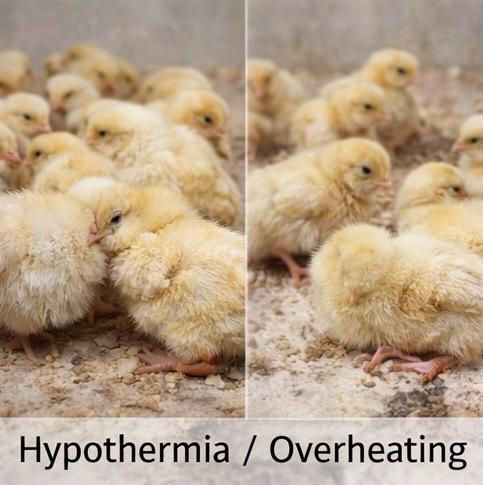
• Too cold: chicks huddle and scream
• Too hot: move away from heat source, rapid breathing
7. Yolk sac malabsorption

• Causes internal infections
• Common in weak chicks or abnormal hatching
8. Dehydration and nutritional deficiencies
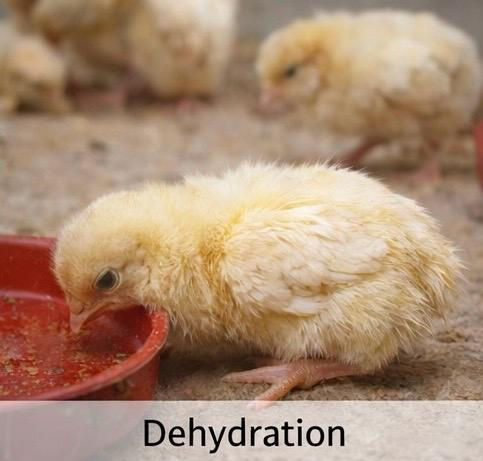
• Vitamin deficiency (mainly A, E, B)
• Causes deformities, weakness and mortality
Prevention – the most important
• Correct temperature (32–34°C in the first week)
• Clean water and always available
• Special food for chicks
• Cleaning and disinfecting the hatchery and substrate
• Vaccinations according to veterinary recommendations
• Avoiding overcrowding
*It is always advisable to consult a qualified veterinarian.


